
Views: 7
Electric Eel: How Nature Generates Electricity
Bin3aiah Fishes | Freshwater Wildlife | Animal Science
Electric Eel Zaps Can Change Fish DNA
Zap! How electric eels create their shocks
តើអ្នកដែលដឹងអំពីអន្ទង់ឆក់ដែរឬទេ? តើពួកវាបង្កើតអគ្គិសនីដោយដូចម្តេច?
8
Introduction
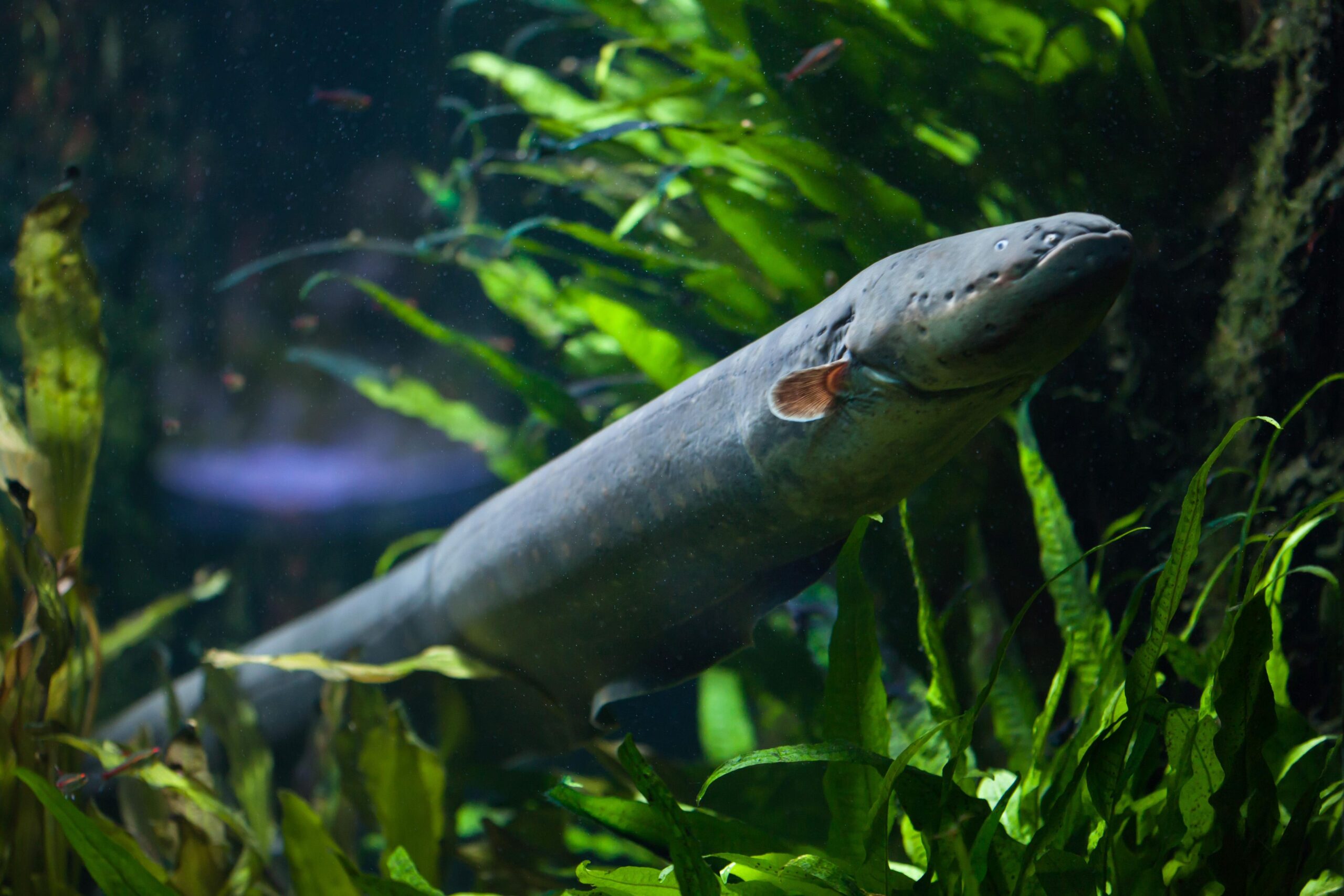
Deep within the muddy rivers of South America lives one of nature’s most extraordinary creatures: the electric eel. Unlike most fish, this remarkable predator can generate powerful electrical discharges to stun prey, defend itself, navigate dark water, and communicate with other electric eels.
Some electric eels can produce discharges reaching 860 volts, making them among the most powerful electricity-producing animals known to science. National Zoo+1
But how can a living animal generate electricity without wires, batteries, or machines?
The answer lies in a fascinating biological system made of thousands of specialized cells working together.
1. What Is an Electric Eel?
Despite its name, the electric eel is not a true eel. It belongs to the order Gymnotiformes, a group of freshwater knifefishes.
Electric eels inhabit the Amazon and Orinoco river systems, particularly slow-moving rivers, flooded forests, and muddy freshwater environments.
| Characteristic | Details |
|---|---|
| Scientific genus | Electrophorus |
| Animal group | Freshwater knifefish |
| Habitat | Tropical South America |
| Length | More than 2.5 meters |
| Diet | Fish, crustaceans and other small animals |
| Electrical output | Up to 860 volts, depending on species |
| Special adaptation | Air breathing |
Electric eels regularly rise to the surface to breathe atmospheric air, allowing them to survive in oxygen-poor water. National Zoo+1
2. How Do Electric Eels Generate Electricity?
Electric Fish: How Do Electric Eels Produce Electricity?
Electric eels contain specialized cells called electrocytes, which function like tiny biological batteries.
The process works in four stages:
- Energy storage: Electrocytes maintain an electrical difference across their cell membranes using ion gradients.
- Nerve activation: Signals from the nervous system trigger the cells simultaneously.
- Electrical discharge: Ion channels open, rapidly changing the electrical voltage across each cell.
- Combined output: Thousands of electrocytes arranged in series produce a powerful collective electrical discharge.
The animal has three principal electric organs: the main organ, Hunter’s organ, and Sachs’ organ.
Together, the electric organs occupy approximately 80% of its elongated body. AMNH+1
3. Why Do Electric Eels Need Electricity?
Биеэсээ цахилгаан ялгаруулдаг загас
Hunting
Powerful electrical pulses activate the muscles of nearby prey, causing involuntary contractions and potentially immobilizing smaller fish.
The Science Of Electric Eels: How Do They Generate Electricity To Hunt Prey? | IFLScience
Defense
Strong shocks discourage predators. Electric eels can even rise partially out of the water during defensive encounters.
Navigation and communication
Weak electrical signals help electric eels detect objects, identify their surroundings, and communicate with other individuals.
Researchers have also demonstrated that electric eels can use their high-voltage pulses to track moving prey with remarkable accuracy. National Zoo+1
4. How Powerful Is an Electric Eel?
Maximum recorded electrical potential
860 V
Electrophorus voltai
Voltage measures electrical potential, not the total energy delivered. Actual danger depends on current, duration, and the path electricity takes through the body.
In 2019, scientists described additional electric eel species, including Electrophorus voltai, associated with a record discharge of 860 volts.
An electric eel’s shock can be dangerous to humans, especially if it causes loss of muscle control or drowning. These animals should never be approached or handled in the wild. National Zoo+1
5. Can Electric Eels Inspire New Technology?
Electric eels have attracted the attention of scientists and engineers studying biological electricity.
Their electrical organs offer inspiration for innovations in flexible batteries, bioelectronic systems, and potentially medical devices.
However, harvesting electricity directly from living eels would be inefficient and harmful. The more promising approach is to reproduce the underlying biological principles through engineering. Natural History Museum
6. Five Fascinating Electric Eel Facts
- Electric eels are knifefish, not true eels.
- They can swim forward and backward by undulating a long fin beneath their bodies.
- They use both weak and powerful electrical discharges for different purposes.
- Their electrical organs occupy most of their body length.
- Male electric eels construct nests from saliva and guard developing young. National Zoo+1
Conclusion
The electric eel demonstrates how evolution can produce biological abilities that rival sophisticated human technology.
By transforming ordinary cellular processes into coordinated electrical discharges, these remarkable fish have developed a system for hunting, defense, communication, and navigation.
Their abilities continue to inspire scientific research into energy storage, biological engineering, and the extraordinary adaptations of aquatic life.
WordPress SEO Package
SEO Title Copy
Electric Eel: How Nature Generates Electricity
Slug Copy
electric-eel-how-nature-generates-electricity
Meta Description Copy
Discover how electric eels generate up to 860 volts, hunt with powerful shocks, navigate murky rivers, and inspire modern technology.
Focus Keyphrase
how electric eels generate electricity
Category
Fishes → Freshwater Fish
Tags
Electric Eel, Electrophorus, Electric Fish, Freshwater Fish, Amazon River, Electrocytes, Bioelectricity, Aquatic Wildlife, Electric Organs, Nature Science
Suggested videos and photography
For a media-rich WordPress article, use these resources for research and sourcing:
- Electric eel electricity explained — YouTube
- Electric eel hunting behavior — YouTube
- Electric eel Amazon documentary — YouTube
- Electric eel photography — Wikimedia Commons
These are discovery links rather than three individually verified videos or a licensed ten-image gallery. Check media rights before publication.
Recommended featured image: A realistic underwater photograph of an electric eel in a dark Amazonian river, with the article title in bold white lettering and subtle blue electrical effects.