
Views: 12
Seahorse: One of Nature’s Most Unusual Fish


11
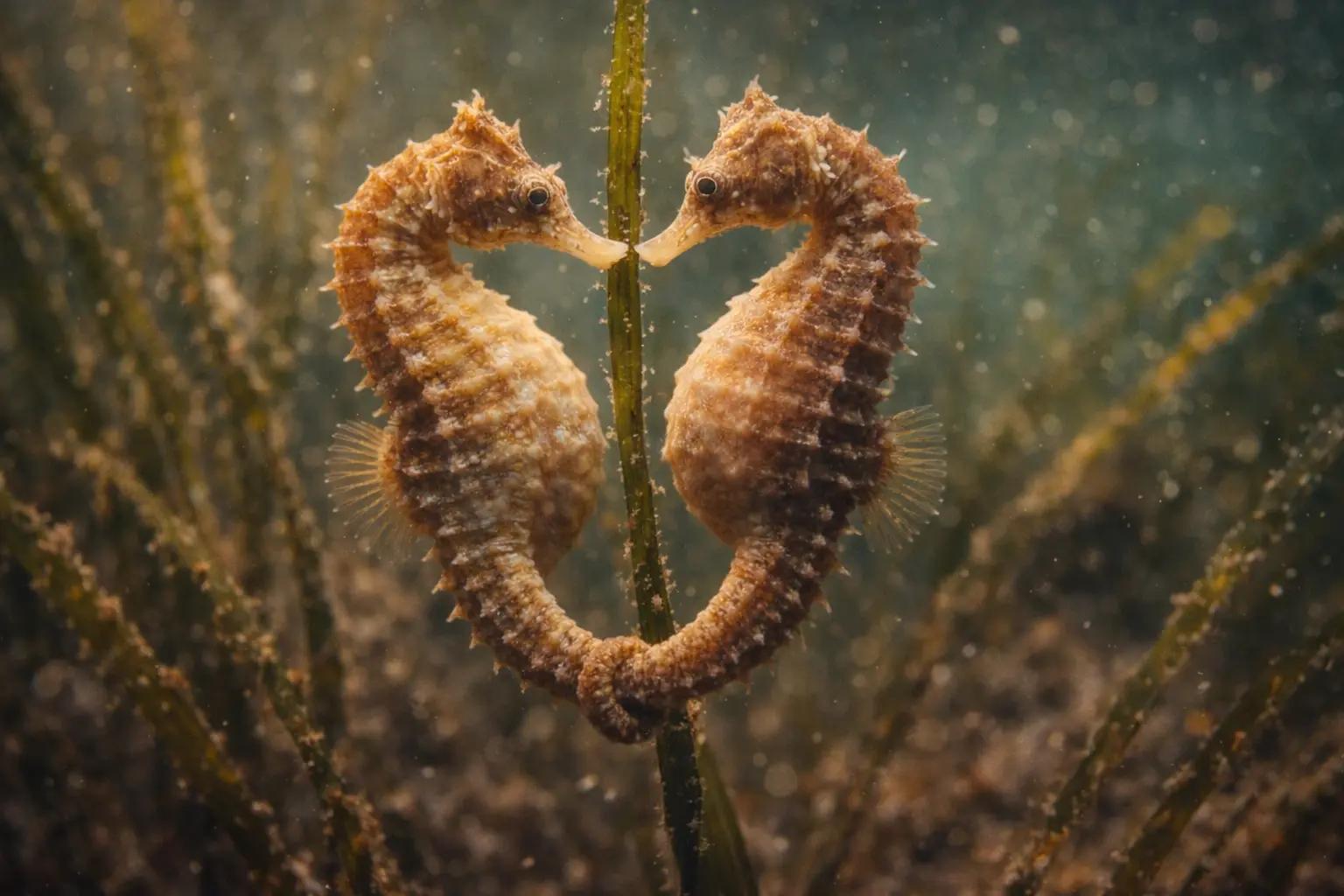
Seahorses are among the ocean’s most extraordinary creatures. With their horse-shaped heads, curled tails, independently moving eyes, and unusual reproductive behavior, these tiny marine animals challenge almost everything we expect from fish.
Despite their unusual appearance, seahorses are true fish. They breathe through gills, have fins, and belong to the genus Hippocampus, within the family Syngnathidae, which also includes pipefish and seadragons.
1. What Makes Seahorses So Unique?
Unlike most fish, seahorses swim upright, using a small dorsal fin to propel themselves through the water. Their pectoral fins help them steer and maintain balance.
Their bodies are covered with protective bony plates rather than typical fish scales. A flexible, prehensile tail allows them to grip seagrass, coral, and other underwater structures.
2. Male Seahorses Give Birth

One of the most remarkable features of seahorses is that the male carries the developing embryos and gives birth.
During reproduction, the female transfers eggs into the male’s specialized brood pouch. The male fertilizes and incubates the eggs, regulating conditions within the pouch as the embryos develop.
After a gestation period that varies by species and environmental conditions, the male releases fully formed baby seahorses into the water. Some species can produce hundreds of young in a single brood.
3. Masters of Camouflage
Seahorses often blend into their surroundings through their coloration, patterns, and body shapes. Some species can change color, while others have skin filaments that resemble marine vegetation.

Pygmy seahorseExceptionally effective coral camouflage

Thorny seahorseSpines and body shape help break up its outline
4. How Do Seahorses Eat?
Seahorses are carnivorous ambush predators. They feed mainly on tiny crustaceans, including copepods, amphipods, and mysid shrimp.
Because they have no teeth or conventional stomach, they swallow prey whole through their tubular snouts and must feed frequently.
Their specialized feeding mechanism allows them to rapidly suck small prey into their mouths.
5. Where Do Seahorses Live?
Seahorses inhabit coastal marine environments across tropical and temperate regions, particularly:
- Seagrass meadows
- Coral reefs
- Mangrove habitats
- Estuaries and sheltered coastal waters
Different species occupy different depths and habitats, ranging from shallow coastal vegetation to deeper reef environments.
6. Fascinating Seahorse Facts
40+
Recognized species
~1.5–35 cm
Approximate adult size range
2
Eyes that move independently
Male
Sex that carries the embryos
Some seahorses also perform elaborate courtship displays, which can involve synchronized swimming, color changes, and repeated greetings between partners. However, not every species mates for life.
7. Conservation: Protecting These Extraordinary Fish

Many seahorse populations face threats from habitat destruction, coastal development, pollution, accidental capture in fishing gear, and collection for trade.
Their conservation status varies by species, and insufficient population data makes some species difficult to assess.
Protecting seagrass meadows, mangroves, and coral reef ecosystems is essential for their long-term survival.
Conclusion
The seahorse is a remarkable example of evolution’s creativity. From male pregnancy and upright swimming to sophisticated camouflage and precision feeding, its adaptations make it one of the most unusual fish in the ocean.
Protecting seahorses means protecting the rich marine ecosystems that support them.
SEO details for publication
SEO Title: Seahorse: Amazing Facts About One of Nature’s Most Unusual Fish
Meta Description: Discover fascinating seahorse facts, including male pregnancy, camouflage, feeding habits, habitats, and conservation challenges.
Suggested URL Slug: seahorse-unusual-fish-facts
Focus Keywords: Seahorse facts, Hippocampus, male seahorse pregnancy, seahorse habitat, seahorse reproduction, marine life.
Suggested Category: Marine Life / Fish Species
Suggested Tags: Seahorse, Hippocampus, Ocean Wildlife, Marine Biology, Underwater Animals, Fish Facts, Ocean Conservation
Suggested video topics: Male seahorse giving birth, seahorse camouflage in coral reefs, and seahorse feeding in slow motion.
Recommended sources: IUCN Red List and Project Seahorse.